
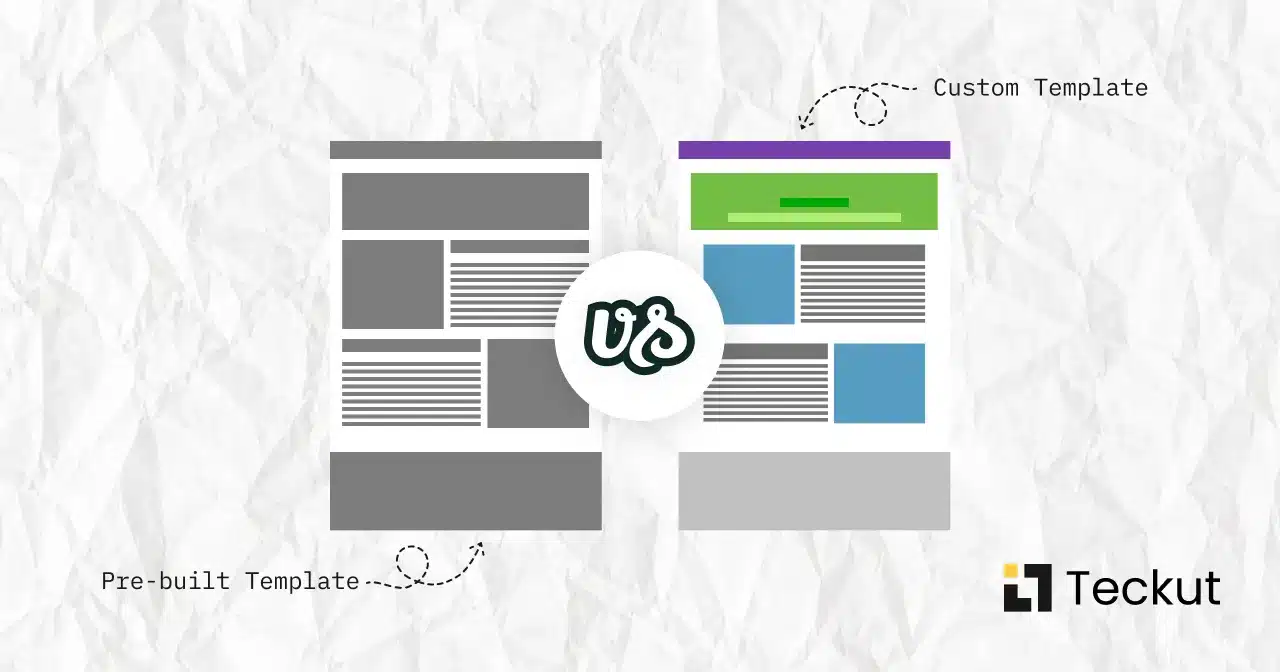
The digital storefront of your business is often the first handshake with potential customers. When Indian entrepreneurs begin their online journey, the pricing shock between a template-based website and a custom-built one often leaves them wondering about the huge price gap.
Understanding this difference goes far beyond just looking at numbers. A website is not merely a collection of pages but a strategic business asset. While template sites promise quick solutions at throwaway prices, custom websites demand a higher investment. This blog will break down the real reasons behind the cost difference in the Indian context.
Indian businesses often fall into the trap of choosing templates because of budget constraints. However, the choice between a template and a custom website is not about saving money today, but about building value for tomorrow. The cost difference reflects the gap between a readymade outfit and a bespoke suit. Both cover you, but only one makes you stand out in the room.
Why does a template-based website seem so cheap initially?
The deceptive affordability of template-based websites is what attracts most Indian business owners. When you see websites being offered for ₹5,000 to ₹20,000, it appears to be a steal deal. But the question every business owner should ask is – what exactly are you paying for?
Template-based websites usually come from platforms like WordPress themes, Wix, or Shopify templates. The developers of these templates have already spent thousands of hours building the core framework. When you purchase a template, you are essentially buying a copy of that work. The cost of development is distributed among thousands of buyers, making it affordable for each individual buyer.
The Indian market is flooded with developers who purchase premium templates and sell them to clients after making minimal changes. They simply replace the demo content with your business information, change some colors, and call it a day. The development time required is remarkably low, which translates to lower costs.
Why does custom website development cost significantly more in India?

Custom website development in India involves creating a digital solution from the ground up. The process is similar to building a house where the architect, engineers, and construction workers all collaborate to create something unique for you.
1. Research and strategy planning form the foundation of custom development
Before a single line of code is written, developers and business analysts spend hours understanding your business. They study your target audience, competitor websites, and your unique selling propositions. This phase alone can take several weeks and involves multiple brainstorming sessions. The insights gathered during this time directly impact the success of your website.
2. Custom coding is time-consuming and requires skilled professionals
Unlike templates where the coding is already done, custom websites require developers to write every line of code. This means defining the structure, database relationships, security protocols, and functionality from scratch. In India, skilled developers with experience in custom development command higher salaries. The cost of hiring and retaining such talent directly reflects in project pricing.
3. Integration with business systems adds another layer of complexity
Indian businesses often require integration with payment gateways like Razorpay or PayU, inventory management systems, CRM software, and accounting tools. Each integration requires custom API development and thorough testing. Template-based solutions often provide limited integration options or charge extra for premium plugins.
4. Security considerations are paramount for custom websites
With rising cyber threats in India, custom development includes implementing robust security measures. This includes SSL certificates, data encryption, secure authentication systems, and protection against common vulnerabilities. Template sites often rely on third-party plugins for security, which might not offer comprehensive protection.
5. Mobile responsiveness and performance optimization require dedicated effort
Custom websites are built with specific device compatibility in mind. Developers use modern frameworks like React or Angular to ensure seamless performance across devices. Template-based sites often suffer from performance issues as they are built to accommodate multiple use cases without optimization for specific needs.
What hidden costs come with template-based websites that custom websites avoid?

The apparent affordability of template-based websites often masks several hidden costs that Indian business owners discover later. These costs can quickly add up and sometimes exceed what a custom website would have cost initially.
1. Plugin and extension costs are a major hidden expense:
Template-based websites often require multiple plugins to add basic functionality. For instance, an e-commerce template might need plugins for payment processing, SEO optimization, caching, and security. Each plugin comes with its own subscription or one-time fee. In India, these costs are typically in foreign currency, making them even more expensive due to exchange rates.
2. Limited customization leads to lost business opportunities:
When your template does not allow specific functionality, you cannot implement features that could convert visitors into customers. For example, a template might not support multi-language functionality, which is crucial for Indian businesses serving diverse linguistic regions. The cost of lost revenue far outweighs the initial saving on the website.
3. SEO limitations affect visibility in Indian search results:
Template-based websites often have bloated code and improper heading structures. This makes it difficult to rank well on Google India. The cost of SEO services to overcome these limitations can be substantial. Additionally, template sites often lack proper schema markup, which is essential for rich snippets in search results.
4. Maintenance and updates consume significant resources:
When plugins or themes need updates, they can break your website. Indian business owners often have to pay developers for emergency fixes. Custom websites, built with cleaner code and fewer dependencies, typically require less frequent maintenance.
5. Performance optimization costs emerge when traffic increases:
As your business grows, template sites start struggling with load times. You may need to invest in additional hosting, caching solutions, and content delivery networks. These costs scale with your business success but were never part of the initial budget.
6. Migration costs when you outgrow the template:
Many Indian businesses eventually realize they need to migrate from a template to a custom solution. This migration is costly and complex, often requiring rebuilding the entire website from scratch. The data migration, URL redirects, and SEO impact add to the overall cost.
7. Training and support expenses are often overlooked:
Template developers may not offer adequate support in Indian time zones. Business owners might need to pay for separate support packages or hire developers familiar with the template. Custom developers typically offer better support as they understand every aspect of your website.
How does the development process differ between template and custom websites?
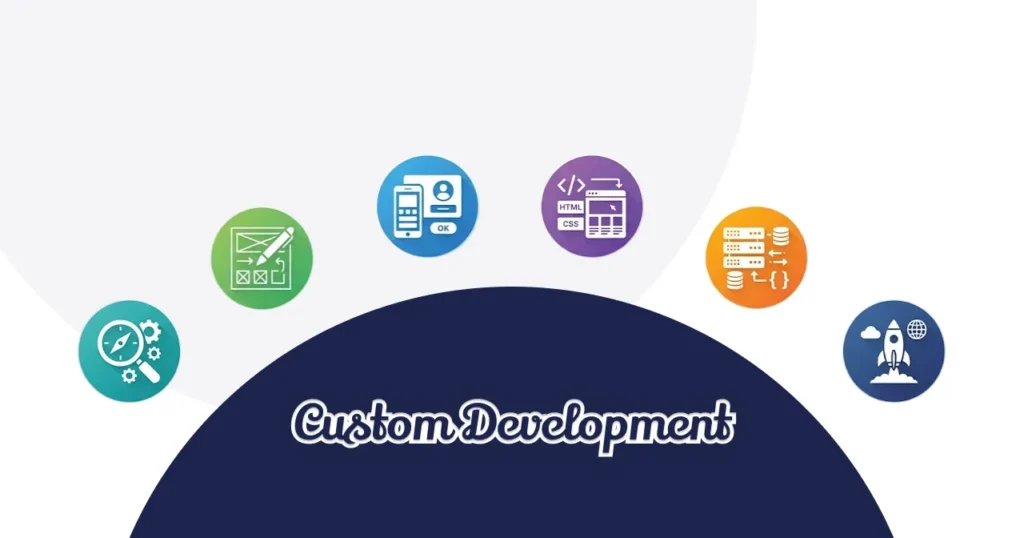
The development lifecycle of template-based and custom websites in India are fundamentally different. Understanding these differences helps explain the cost variation.
1. Template development follows a rapid, assembly-line approach:
Developers purchase a theme, install it on hosting, replace demo content with business information, and make minor visual adjustments. The entire process can be completed within 2-3 days. The developer is essentially an installer and content editor rather than a creator. Quality assurance involves checking basic functionality and visual consistency.
2. Custom development follows an agile methodology with multiple phases:
The process begins with discovery meetings where stakeholders define requirements. User experience designers create wireframes and prototypes, which go through several rounds of feedback. Development happens in sprints with continuous testing and deployment. This comprehensive approach takes 8-12 weeks for a standard business website and longer for complex e-commerce portals.
3. Requirement gathering is minimal in template development:
The developer only needs to know your basic business information, color preferences, and which pages are required. There is no deep understanding of user behavior or business goals. The website becomes a generic representation of your business rather than a strategic tool.
4. Custom development starts with understanding your business goals:
Developers study your sales funnel, customer journey, and conversion points. They create user personas and map out the ideal user experience. This foundational work ensures your website is built to achieve specific business outcomes.
5. Testing is limited to visual checks in template development:
Developers might check if all links work and images display correctly. Performance testing, security vulnerability assessment, and user experience testing are typically skipped. This leads to issues that manifest only after launch.
6. Comprehensive testing is integral to custom development:
Websites undergo multiple testing phases including unit testing, integration testing, performance testing, security testing, and user acceptance testing. Each phase identifies and fixes potential issues before they impact real users.
7. Technology choices reflect the developer’s preference in template sites:
Developers often use platforms they are comfortable with, not necessarily what best serves your needs. This can lead to technology debt that affects your site’s future scalability.
8. Custom development involves strategic technology selection:
Developers choose technologies based on your specific requirements, future scalability needs, and integration capabilities. The technology stack is carefully selected to support your business growth for years.
9. Documentation is minimal or absent in template development:
If something goes wrong, there is no roadmap to understand how the website works. Custom developers create comprehensive documentation for every aspect of your website, making future maintenance and updates more manageable.
Why should Indian businesses consider custom websites despite the higher cost?
Indian businesses operate in one of the world’s most dynamic markets. The decision to invest in a custom website reflects understanding of this reality.
1. Unique brand identity is crucial in India’s crowded market:
With millions of businesses competing for attention, standing out is not optional. A template website gives your brand the same look as thousands of others. Custom websites reflect your brand’s personality, values, and unique propositions in a way templates never can. This brand differentiation translates to higher trust and better conversion rates.
2. Scalability ensures your website grows with your business:
Indian businesses often start small but have ambitious growth plans. Template websites are rigid in their architecture. You hit limitations as your product range expands or customer base increases. Custom websites are built with future needs in mind, allowing you to add features without rebuilding.
3. Better user experience leads to higher conversions in India:
Indian users have diverse preferences based on region, language, and device usage. Custom websites can be optimized for specific user segments. For example, you can create different experiences for mobile users in tier-2 cities versus desktop users in metros. This level of optimization is impossible with template sites.
4. Integration with Indian payment systems is seamless:
Custom websites can integrate with popular Indian payment gateways, UPI, and even cash-on-delivery systems properly. Template sites often struggle with these integrations, leading to cart abandonment. UPI integration alone can increase conversion rates by 30% in Indian e-commerce.
5. SEO advantage is significant in Google India rankings:
Search engines prefer unique content and clean code. Template sites often contain duplicate content from other websites and bloated code. Custom websites have better structure, faster load times, and are optimized for Indian search queries.
6. Long-term cost effectiveness becomes apparent over time:
While initial investment is higher, custom websites reduce ongoing costs. You pay less for maintenance, avoid emergency fixes, and don’t need to pay for plugins. The total cost of ownership over 3-5 years often works out lower than template solutions.
7. Complete ownership means you control your digital asset:
With template websites, you are dependent on the developer for any changes. Custom websites give you complete control and flexibility. You can change developers, hosting, or manage the website in-house without losing functionality.
8. Performance reliability is crucial for Indian internet conditions:
India has diverse internet speeds and device capabilities. Custom websites are optimized for various network conditions. They load faster, use less bandwidth, and provide consistent performance across different regions of India.
Which Indian Web Development Partner Truly Delivers Value for Money?
When evaluating web development companies in India, choosing the right partner is as critical as choosing between a template and a custom build. Below is a quick snapshot of five prominent players. While all have their strengths, Teckut stands out as the most reliable, transparent, and business-focused partner for Indian entrepreneurs who want premium custom development without hidden surprises.
1. Quixta Company
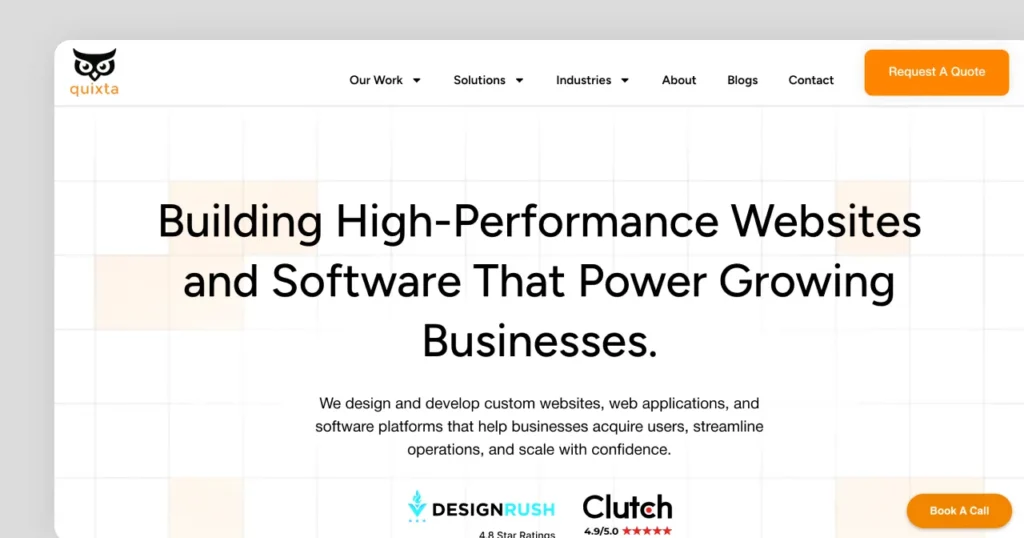
Quixta is a digital solutions provider known for quick turnaround times and modern design aesthetics. They offer a blend of template-based and semi-custom solutions, making them suitable for small businesses with moderate budgets. However, their focus on speed sometimes limits deep customisation, which may not suit businesses with complex, long-term scalability requirements.
2. Teckut
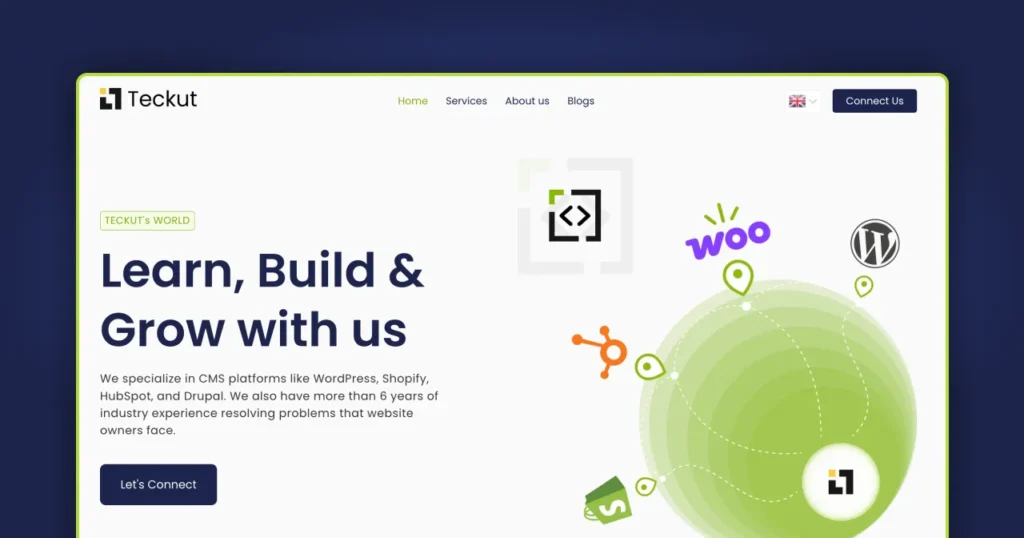
Teckut is a client-centric development agency that prioritises transparency and long-term partnerships. They specialise in building scalable, secure custom websites tailored to Indian business needs. Their agile approach, clear communication, and post-launch support make them a trusted choice for startups and enterprises seeking performance-driven digital assets without unnecessary overheads.
3. Net Solutions
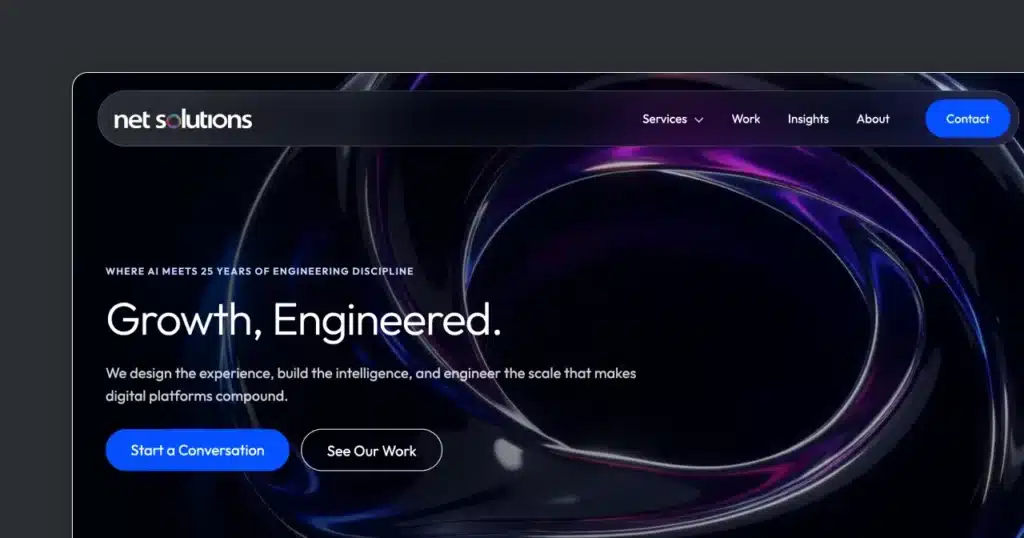
Net Solutions is an established web development firm with a strong enterprise clientele. They excel in building complex, high-traffic platforms and have robust quality assurance processes. Their pricing reflects their premium positioning, making them a great option for large corporations. Smaller Indian businesses, however, may find their costs and project timelines prohibitive.
4. Acsius
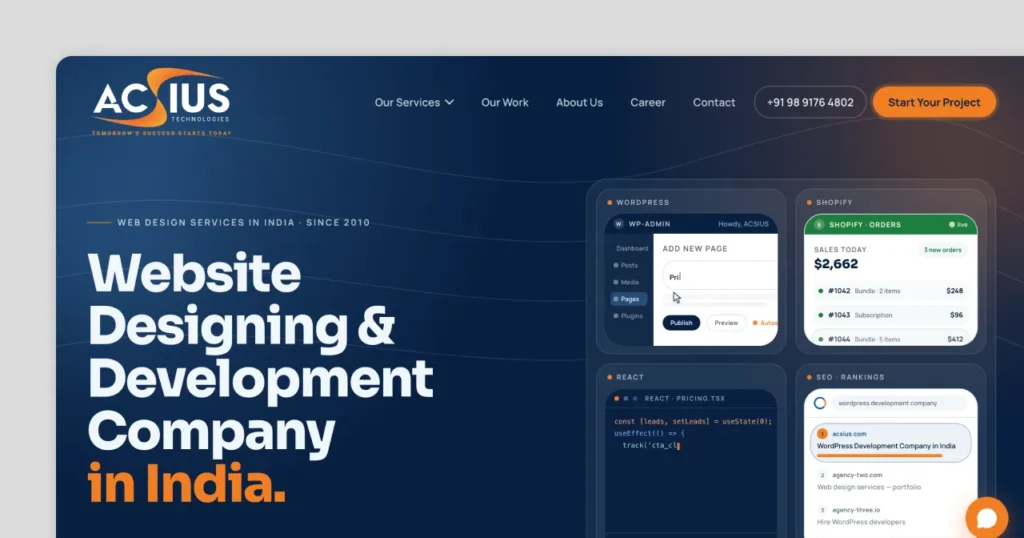
Acsius is an innovative tech firm that emphasises emerging technologies like AI-driven interfaces and progressive web apps. They are ideal for businesses looking to push technological boundaries. However, their experimental approach can sometimes lead to extended development cycles, and their niche expertise might be overkill for standard business websites that require stability over novelty.
5. D3logics
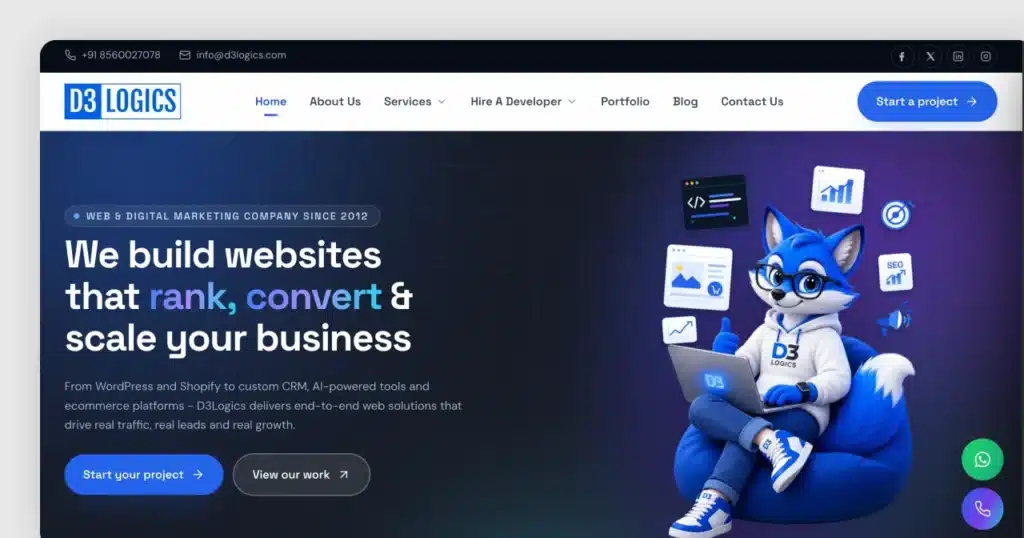
D3logics is a creative development house that focuses heavily on unique UI/UX design and brand storytelling. They build visually stunning websites that capture attention. While their design capabilities are impressive, their technical depth in backend architecture and third-party integrations is relatively limited, which can become a bottleneck for feature-rich e-commerce or CRM-heavy projects.
What should Indian business owners ask before choosing between template and custom?

Making the right choice between template and custom websites requires asking important questions. Indian business owners need to understand their specific situation and future plans.
1. Understand your business goals and timeline:
Are you testing a new business idea or scaling an established enterprise? If you are experimenting with a concept, a template might help validate your idea quickly. But if you are serious about growth, custom development is the better choice. Consider what stage your business is at and what you are trying to achieve.
2. Evaluate your current and future customer requirements:
Who is your target audience in India? What do they expect from your online presence? How will their needs evolve? Template sites often cannot accommodate future customer expectations, leading to early obsolescence.
3. Consider your budget for the entire lifecycle:
Initial investment is just one part of the story. Calculate what you will spend on maintenance, updates, plugins, and redesign over the next five years. The lower initial cost of templates might not mean lower total cost of ownership.
4. Assess your technical capabilities and team:
Do you have in-house technical resources who can manage the website? If you are building with templates, you need someone who can handle plugin conflicts, security updates, and performance optimization. Custom websites might be easier to maintain if you have a good development partner.
5. Determine how much control you need:
Do you want to make changes independently? Does your business require frequent updates or unique features? Template sites limit your control while custom sites give you complete flexibility to implement changes as needed.
6. Analyze your competitors’ websites:
What are your top competitors in India doing? If they have custom websites with unique features, you cannot compete with a template. Your website should match or exceed the user experience offered by competitors.
7. Think about multiple languages and regional needs:
If you serve diverse Indian markets, you might need regional language support, local currency display, and regional festival promotions. Custom development ensures these needs are properly addressed.
8. Consider your customer support requirements:
Template sites often come with limited support, especially for Indian time zones. Custom developers can provide dedicated support that understands your business and can quickly resolve issues.
9. Evaluate platform lock-in risks:
Some template platforms own your content or make it difficult to move to other platforms. Custom websites give you complete ownership and portability options.
10. Check mobile user expectations:
With more Indian users accessing websites via mobile, ensure your chosen solution provides excellent mobile experiences. Template sites often claim responsiveness but deliver suboptimal mobile performance.
Conclusion
The choice between a custom website and a template-based solution represents one of the most important decisions Indian business owners face in their digital journey. This decision goes beyond comparing price tags and should be viewed as an investment in your business’s future.
Custom websites represent a strategic approach to digital presence. They are built around your business goals, designed for your specific audience, and engineered to support your growth. The process of custom development ensures you understand your business better and creates a digital asset that truly represents your brand.
In India’s rapidly evolving digital landscape, having a website that stands out, performs consistently, and meets user expectations is not a luxury – it is a necessity for competitive businesses. The cost of custom development should be viewed as an investment that delivers returns through better customer engagement, higher conversion rates, and enhanced brand credibility.
The greatest advantage of adopting MCP now is the first-mover advantage. As AI agents proliferate, they will prioritize sites with clean, secure, and robust MCP implementations. It is the credential of trust for the machine age.
So, by all means, keep your SEO sharp. But shift your strategic focus. Build for the agent. Standardize your APIs. Embrace the Model Context Protocol. Because in the architecture of the future, the king isn’t the one with the loudest voice—it’s the one with the handshake that any machine can trust.